A therapy room with ropes and slings may look unfamiliar if your previous rehabilitation involved resistance bands or exercise machines. When searching for “Redcord therapy near me”, it helps to understand what those supports do before booking. At PostureWorks in Santa Monica, Redcord Neurac is one option within an individualized physical therapy approach, rather than a fixed exercise routine for everyone.
What Does the Suspension System Actually Do?
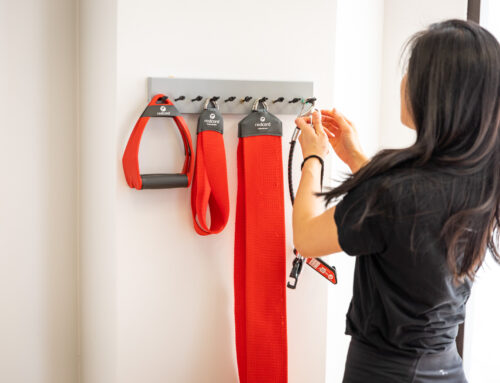
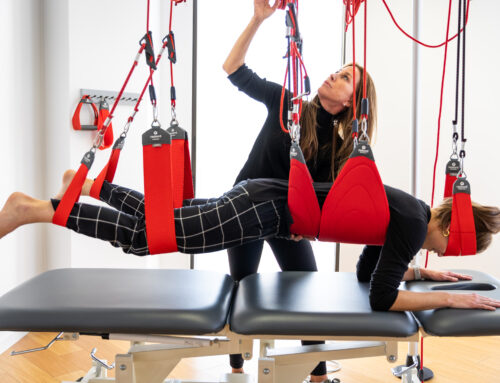
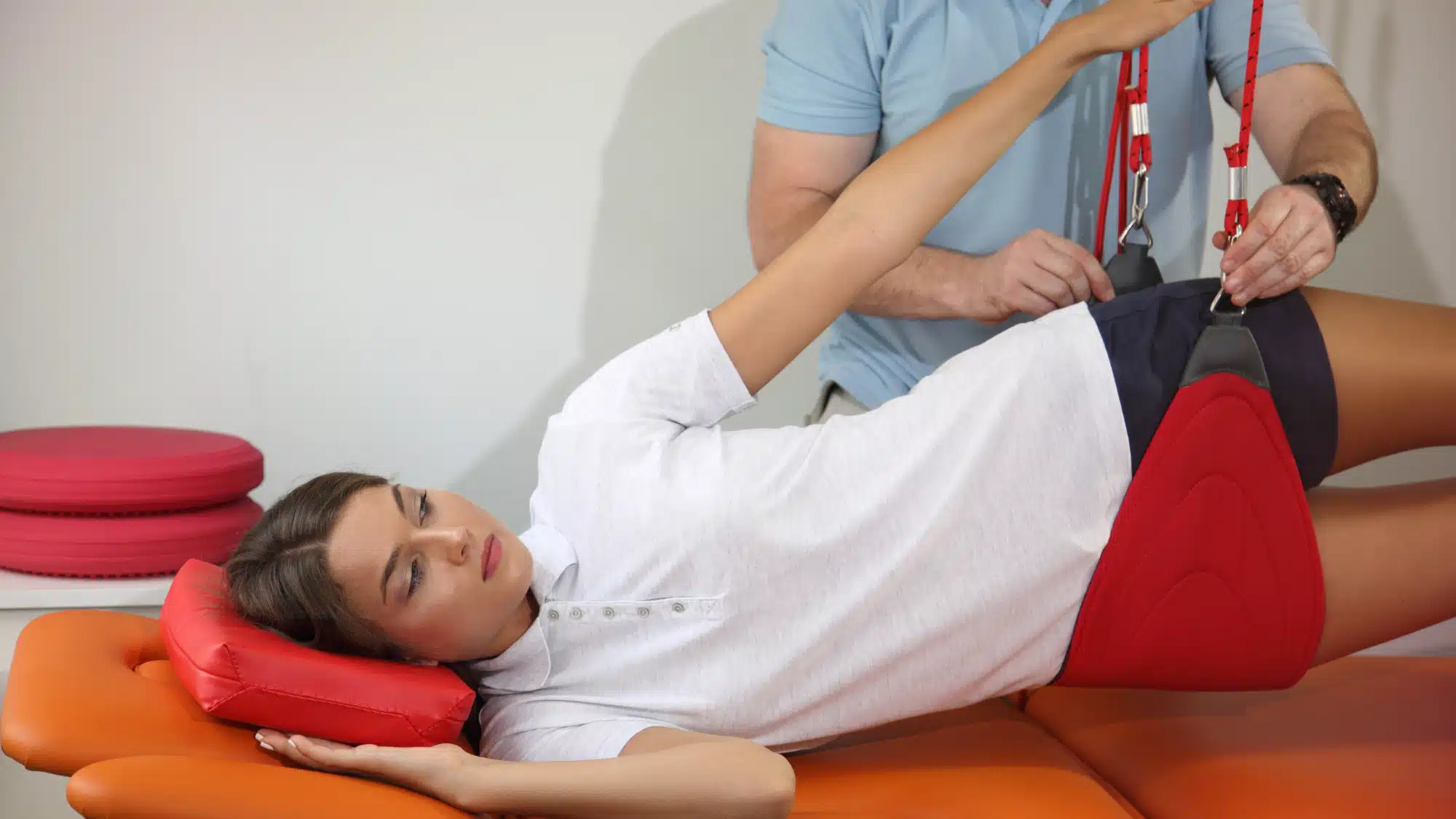
Redcord uses adjustable ropes, slings, and supports that can take some body weight off an arm, leg, or trunk during movement. A therapist may use that support to make a difficult exercise more manageable, then change the setup to challenge muscle coordination or stability.
The Neurac approach focuses on how muscles work together during functional movement. PostureWorks describes it as a way to explore weak links and compensating movement patterns. Its physical therapy services may incorporate Redcord alongside other methods when appropriate.
Suspension does not mean you will spend the appointment hanging in the air. Exercises may take place lying down, standing, or in other positions, depending on your assessment and comfort. A hands-on explanation of the equipment can help you understand where it supports you and which movements remain under your control.
What Happens During Your First Visit?
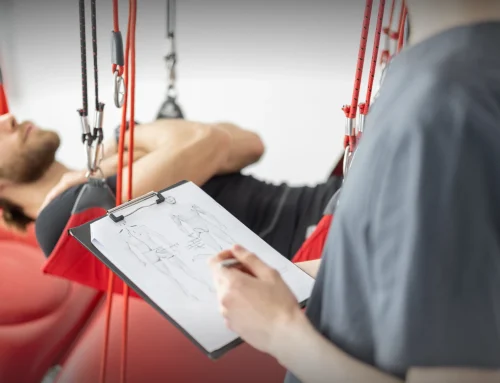
The starting point should be a conversation and examination, not an automatic series of suspended exercises. Be prepared to discuss the activities you struggle with, your goals, previous injuries, surgeries, and any current symptoms.
A therapist may assess how you move, including balance, strength, and control. PostureWorks also offers 3D body scanning to evaluate movement and posture; ask whether that assessment is relevant to your appointment and whether it involves a separate fee.
If Redcord is appropriate, the clinician may then guide a few controlled movements with support from the slings. You should be able to ask why an exercise was selected and how its difficulty will change over time. Tell the therapist what you hope to return to doing, whether that’s climbing stairs, lifting, or exercise.
How Might Treatment Feel?
The support can make some positions feel easier while other exercises challenge muscles you do not usually notice. Your therapist can adjust body position, support level, and repetitions to match your tolerance.
Report pain, dizziness, numbness, or unusual discomfort instead of trying to push through it. Not every condition or stage of recovery is suited to suspension training, and an individualized clinical evaluation matters more than general promises of safety or quick results.
For readers exploring “Redcord therapy near me”, the important question is not how intense the session feels. It is whether the movements address a specific goal and can be performed with appropriate control.
How Does It Fit Into a Larger Care Plan?
Redcord may be combined with strengthening, movement education, and other therapy. PostureWorks also provides postural correction services that examine how movement patterns and alignment interact.
Ask how progress will be assessed. Useful measures might include greater ease with a daily task, better movement control, or improved tolerance for an activity. Treatment frequency and number of visits should follow your response and clinical goals, not a preset six- or ten-session promise.
The clinic’s frequently asked questions provide additional background on its Neurac approach.
Prepare for a Useful Consultation
Wear clothing that allows you to move comfortably, and bring any relevant referral or therapy records requested by the clinic. Ask about appointment length, pricing, insurance arrangements, and whether you need a physician’s prescription before arriving.
If you’re considering “Redcord therapy near me” this October, request a consultation to discuss whether Redcord belongs in your care plan. You can also contact PostureWorks at (310) 453-6166. The clinic is located at 1821 Wilshire Boulevard, Suite 311, Santa Monica, CA.