In today’s fast-paced world, maintaining good posture is more challenging and yet more essential than ever. The advent of technology has increasingly tethered us to desks and screens, which often contributes to poor posture habits. Fortunately, posture correction physical therapy offers a solution for those seeking improved balance, flexibility, and overall musculoskeletal health.
What Is Posture Correction Physical Therapy?
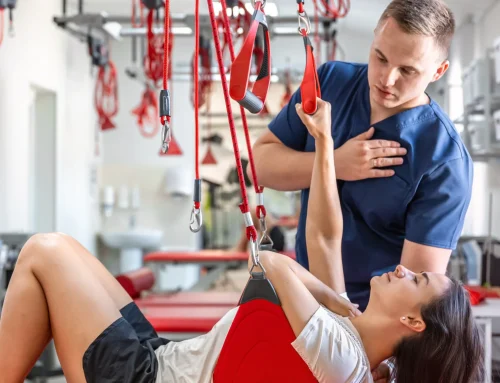
Posture correction physical therapy is a specialized branch of physical therapy focused on evaluating and improving an individual’s posture. The goal is not just about straightening the spine; it encompasses understanding how the entire body works together to maintain stability and function. Experienced therapists assess body alignment, strength, and flexibility to tailor a program that addresses the root causes of postural issues.
Benefits of Posture Correction Physical Therapy
1. Improved Balance and Flexibility
Often, poor posture results in muscle imbalances where some muscles become overworked while others weaken. This can lead to reduced flexibility and even balance issues. By participating in posture correction physical therapy, patients can expect a comprehensive plan to restore muscle balance and joint flexibility. In doing so, patients often experience enhanced overall stability and a reduced risk of falls.
2. Pain Management and Prevention
Chronic pain in the neck, shoulders, and lower back is commonly linked to bad posture. Therapy sessions work to alleviate pain and prevent future issues by teaching patients how to integrate healthier movement patterns into their daily activities. This holistic approach ensures long-term health benefits beyond mere symptom relief.
3. Enhanced Athletic Performance
For athletes or fitness enthusiasts, posture correction physical therapy can be particularly beneficial. Correcting postural imbalances ensures that the body moves more efficiently, allowing for improvements in strength, endurance, and overall performance. Tailored exercises help in optimizing athletic output by reducing unnecessary strain on muscles and joints.
4. Boosted Confidence and Appearance
Though it’s easy to focus on the physical benefits, posture correction can also impact mental health. Better posture is known to contribute to an enhanced self-image and increased confidence. Standing tall can have a profound psychological impact, reinforcing a positive self-view while also projecting confidence to others.
How Does It Work?
Assessment and Diagnosis
The process usually begins with a detailed assessment by a licensed physical therapist. Through observation and possibly imaging techniques, therapists establish a baseline of the patient’s posture and identify specific issues that need addressing.
Personalized Exercise Program
Posture correction physical therapy is not a one-size-fits-all approach. Based on the initial assessment, therapists develop a personalized exercise regimen aimed at strengthening weak muscles and increasing the flexibility of tight muscles. These might include exercises to improve core strength, a critical aspect of maintaining good posture.
Manual Therapy and Techniques
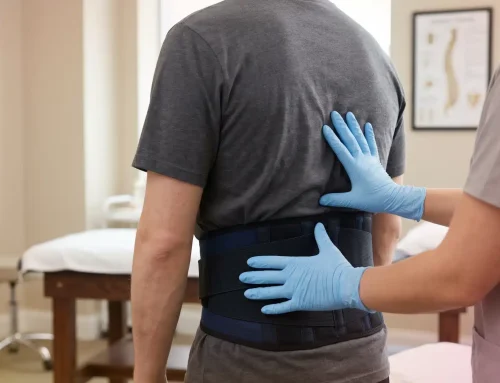
In addition to exercises, manual therapy might be employed. Techniques such as joint mobilization, soft tissue massage, and stretching are used to alleviate discomfort and assist in realigning the body.
Education and Advice
A crucial component of posture correction physical therapy is education. Patients learn about their posture and receive practical advice on how to incorporate healthier habits into their everyday routines. This empowers individuals to recognize poor posture and correct it in their day-to-day activities, whether at work, home, or during recreational activities.
Choosing the Right Therapist
When seeking a therapist for posture correction physical therapy, it’s essential to select someone who is certified and has a strong background in managing posture-related conditions. Reading reviews and verifying credentials can help in making an informed choice. Many professionals, like PostureWorks, offer consultations to discuss your specific needs and how they can assist in meeting your health goals.
Conclusion
Achieving and maintaining good posture is vital for overall health and well-being. Posture correction physical therapy provides a structured and effective way to address postural issues, leading to improved balance, flexibility, and enhanced quality of life. By committing to therapy and implementing suggested changes, patients can expect not only a pain-free existence but a more confident and active lifestyle.
For those interested in exploring how posture correction physical therapy can benefit them, reaching out to a local expert such as PostureWorks could be the first step towards lasting change.