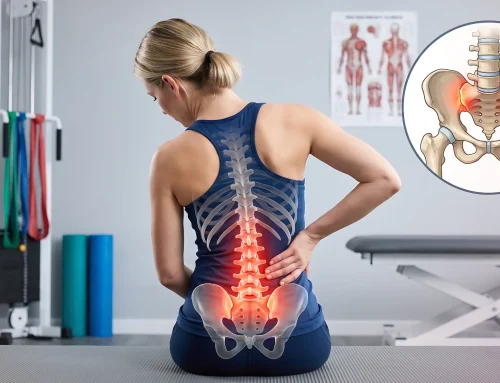
If you’re searching for “posture correction near me,” you’re likely looking for a structured, evidence-based approach that aligns the spine and reduces pain. Posture correction involves a combination of therapies, education, and practical changes to daily activity. The goal is to improve the way the body holds itself, strengthen supporting muscles, and retrain movement patterns for lasting improvement.
Common Treatments Used for Posture Correction
Physical therapy and targeted therapeutic exercise
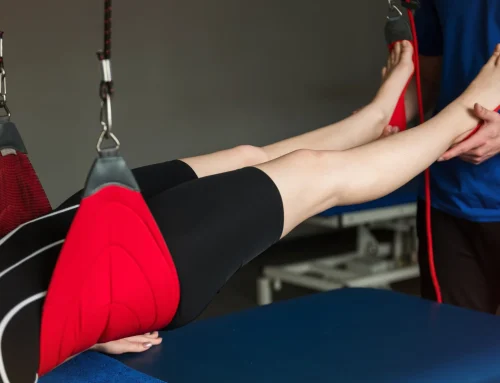
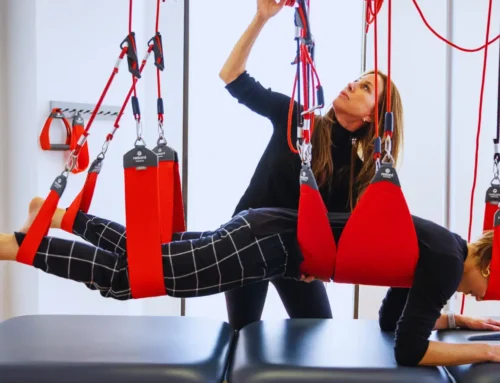
Physical therapy is a foundational treatment for posture correction. A clinician typically assesses alignment, mobility, and muscle strength, then prescribes a personalized program. Key components often include:
- Core strengthening to stabilize the spine.
- Scapular and upper-back strengthening to improve shoulder alignment.
- Thoracic mobility work to unlock midback stiffness.
- Stretching for tight chest and hip flexor muscles that pull the spine forward.
Regular, progressive exercise can improve spinal alignment and reduce fatigue during daily tasks. If you search for posture correction near me, expect to encounter clinics that emphasize an individualized exercise plan rather than a one-size-fits-all routine.
Manual therapies and hands-on care
Manual therapies can complement exercise by improving joint mobility and easing muscle tension. These approaches may include:
- Soft tissue work (myofascial release, massage) to reduce muscle knots and improve tissue length.
- Joint mobilization or gentle spinal mobilizations to restore range of motion.
- Postural retraining guidance during hands-on sessions.
Manual therapy is often paired with a home exercise program to maximize long-term benefits. When evaluating posture correction near me options, consider whether a provider combines manual techniques with deliberate exercise for the best results.
Posture supports and retraining devices
Braces, supports, and retraining devices can provide immediate proprioceptive feedback, reminding the body to maintain an upright posture. These tools are typically adjuncts, not sole solutions. Benefits include temporary postural awareness and improved alignment during activities that previously provoked slouching. Over time, devices are most effective when used alongside strengthening and motor-learning strategies to avoid over-reliance.
Biofeedback, neuromuscular training, and education
Biofeedback-based approaches use real-time cues—visual, auditory, or tactile—to help individuals learn new postural patterns. Neuromuscular training focuses on the brain–muscle pathways that govern posture, promoting healthier habits beyond the clinic. Education covers body mechanics during daily tasks, ergonomics at work, and strategies to integrate posture-friendly habits into long-term routines.
Ergonomic and workplace strategies
Environmental changes can have a powerful impact. Simple adjustments—ergonomic chair height, monitor at eye level, keyboard position, and sit–stand scheduling—often yield meaningful improvements in posture during work and screen time. Regular microbreaks and mindful posture checks support sustained spinal alignment and reduce muscle fatigue.
Medical evaluation and when it’s needed
For some individuals, postural concerns stem from underlying conditions (for example, scoliosis, kyphosis, or degenerative changes). In such cases, a medical evaluation is appropriate to rule out structural issues and to determine if specialized interventions (or referrals to specialists) are warranted. If you’re searching for posture correction near me, a provider should begin with a comprehensive assessment and tailor recommendations accordingly.
What to Expect When Searching for “Posture Correction Near Me”
Expect a structured process: an initial assessment, a personalized plan, and clear goals with measurable milestones. A reputable program will combine exercise, manual care as appropriate, and education on ergonomics and daily habits. Results vary by individual and depend on consistency, the presence of underlying conditions, and the intensity of the program.
How PostureWorks Supports Clients
PostureWorks emphasizes evidence-based evaluation and personalized treatment plans. Our approach integrates therapeutic exercise, hands-on care where appropriate, and practical strategies you can implement at work and at home. If you’re looking for “posture correction near me,” consider scheduling a comprehensive assessment to determine which combination of therapies best fits your needs and lifestyle.
If you’re ready to address posture correction with a structured, professional plan, contact PostureWorks to schedule an evaluation. A tailored program can help improve spinal alignment, reduce discomfort, and support healthier movement patterns for daily life.