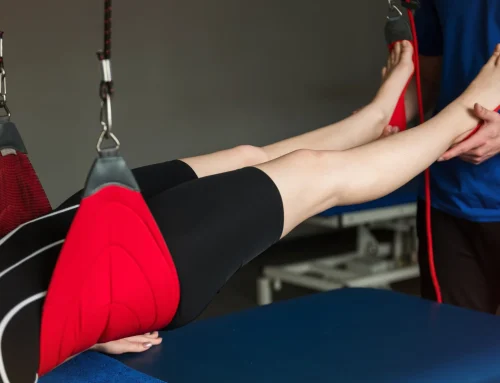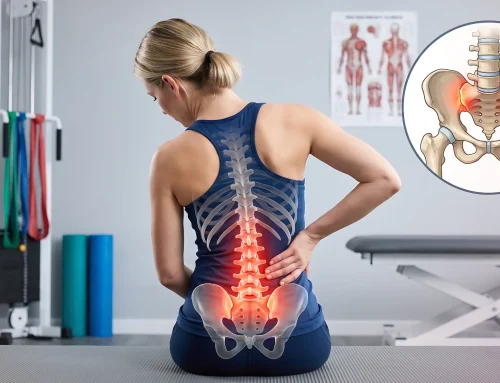
Posture alignment therapy is a structured approach that focuses on improving body alignment to reduce stress on muscles, joints, and connective tissue. At its core, this method seeks to correct imbalances in the spine, pelvis, shoulders, and lower limbs through a combination of assessment, targeted exercises, neuromuscular retraining, and ergonomic guidance. For patients seeking clearer pathways to pain relief, posture alignment therapy can be a valuable component of a comprehensive treatment plan. PostureWorks offers a program designed to address individual postural needs and daily movement patterns.
What is Posture Alignment Therapy?
Posture alignment therapy begins with a thorough evaluation of how a person stands, moves, and breathes in daily life. Practitioners examine spinal curves, pelvis tilt, shoulder positioning, and weight distribution to identify where excessive pressure or compensatory patterns may be contributing to pain. The therapy typically combines several elements:
- Postural assessment: Static and dynamic checks identify misalignments and movement restrictions.
- Corrective exercises: Targeted strengthening and flexibility work to balance muscle groups that support the spine and joints.
- Neuromuscular retraining: Techniques that re-educate the nervous system to adopt healthier movement strategies.
- Ergonomic and daily living adjustments: Guidance on seating, standing, lifting, and desk setups to maintain improvements outside the clinic.
- Optional tools: Biofeedback devices, mirrors, or wearables may be used to help patients visualize and reinforce proper alignment.
The overarching goal is sustainable changes in posture during everyday activities, not just during a therapy session.
How It Helps with Pain Relief
Pain relief is a common outcome when posture alignment therapy is tailored to an individual’s needs. By reducing abnormal stresses on the spine and surrounding tissues, patients may experience:
- Decreased muscular strain in the neck, back, hips, and shoulders.
- Improved joint mechanics, which can lessen pain and increase the functional range of motion.
- Better breathing efficiency and core stability, which can support posture in daily activities.
- Enhanced movement efficiency, leading to fewer compensatory patterns that perpetuate pain.
Current research on posture-focused interventions shows promise for improving pain and function in some adults, particularly when combined with other evidence-based therapies such as physical activity and education. It is important to recognize that results can vary based on the underlying condition, adherence to a home program, and the presence of other medical factors. A qualified provider will set realistic goals and monitor progress over time.
What to Expect in a Session
During an initial visit, expect a comprehensive assessment that may include:
- Postural analysis in multiple positions (standing, sitting, and during movement).
- A review of medical history, symptoms, and functional goals.
- A personalized plan outlining exercises, posture cues, and lifestyle adjustments.
- Education on how daily activities contribute to postural patterns.
- A home program to reinforce clinic work between sessions.
Follow-up appointments typically focus on refining techniques, progressing exercises, and adjusting goals as posture improves and pain changes. A licensed professional—such as a physical therapist, chiropractor, or certified posture specialist—should supervise the program to ensure safety and effectiveness.
Choosing a Posture Alignment Therapy Provider
When selecting a provider, consider:
- Qualifications and scope of practice: Ensure the practitioner is licensed or certified in a relevant field and uses evidence-based methods.
- Individualized assessment: Look for a program that starts with a personalized evaluation rather than a one-size-fits-all plan.
- Measurable goals and progress tracking: Goals should be clear, with regular reviews of pain, function, and posture metrics.
- Integrative approach: A good provider collaborates with other healthcare professionals if you have complex or chronic pain.
- Transparency about costs and insurance: Ask about session costs, home program requirements, and coverage options.
Practical Tips and Home Practices
- Practice mindful posture cues throughout the day, especially when using screens or driving.
- Optimize your workstation: monitor at eye level, chair lumbar support, and a neutral wrist position.
- Take short, regular breaks for movement and posture checks.
- Incorporate gentle stretches and breath work to support spinal alignment and core engagement.
- Use reminders or simple apps to reinforce healthy postural habits.
If you’re exploring options for pain relief through a structured, posture-focused approach, PostureWorks can provide a professional pathway tailored to your needs. For individuals dealing with neck, back, or shoulder discomfort, posture alignment therapy can be a meaningful step toward reducing pain and improving daily function. Consider scheduling a consultation to discuss goals, assess suitability, and determine the best plan to achieve lasting improvements in posture and comfort.